The Táin Trail: Your Complete Guide to Carlingford to Omeath
Everything you need to know about this scenic 10-kilometre route, including rest stops, terrain details, and what to bring along the way.

Why the Táin Trail Stands Out
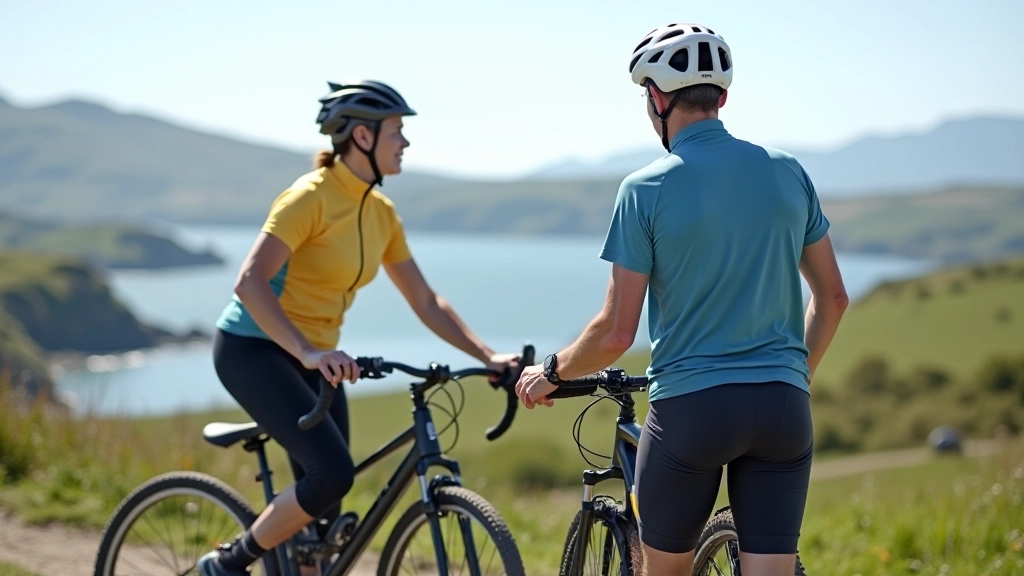
The Táin Trail isn't just another cycle route. It's a perfectly manageable journey that connects two charming villages along the Cooley Peninsula, with views of Carlingford Lough and the Mourne Mountains as your backdrop. The 10-kilometre path follows an ancient mythological trail — you're literally cycling through Irish history.
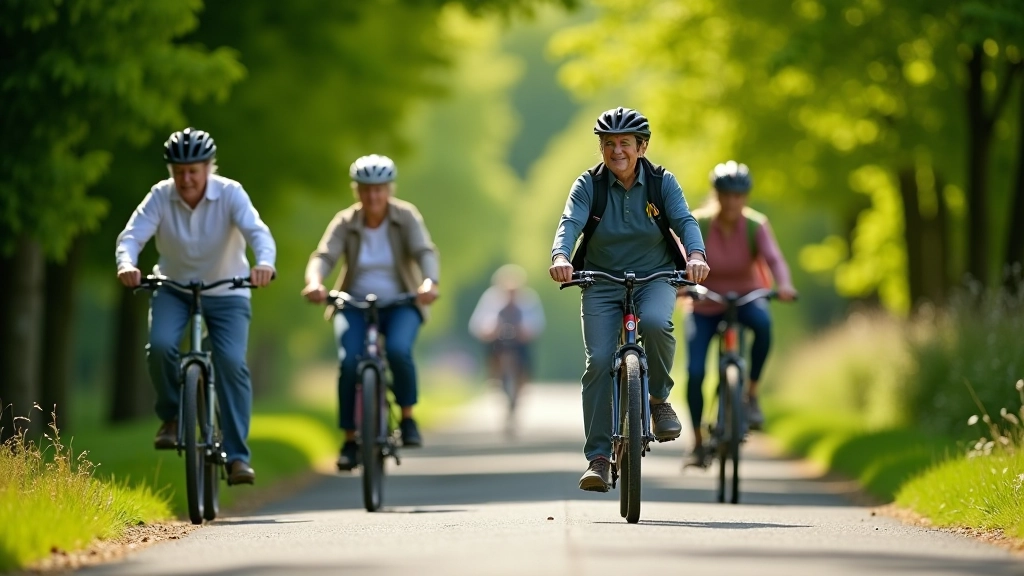
What makes it ideal for senior cyclists? The terrain's flat, there's shade in places, and you'll find proper rest spots built in. Plus, the route's well-maintained and clearly marked. No surprises, no steep climbs, no dodgy road surfaces. It's the kind of ride where you can actually enjoy the scenery instead of white-knuckling the handlebars.
Understanding the Terrain and Distance
Let's be direct about what you're getting into. The trail runs 10 kilometres from Carlingford to Omeath. If you're an average senior cyclist, that's roughly 45 minutes to an hour of actual cycling time. But here's the thing — you don't need to do it all in one go.
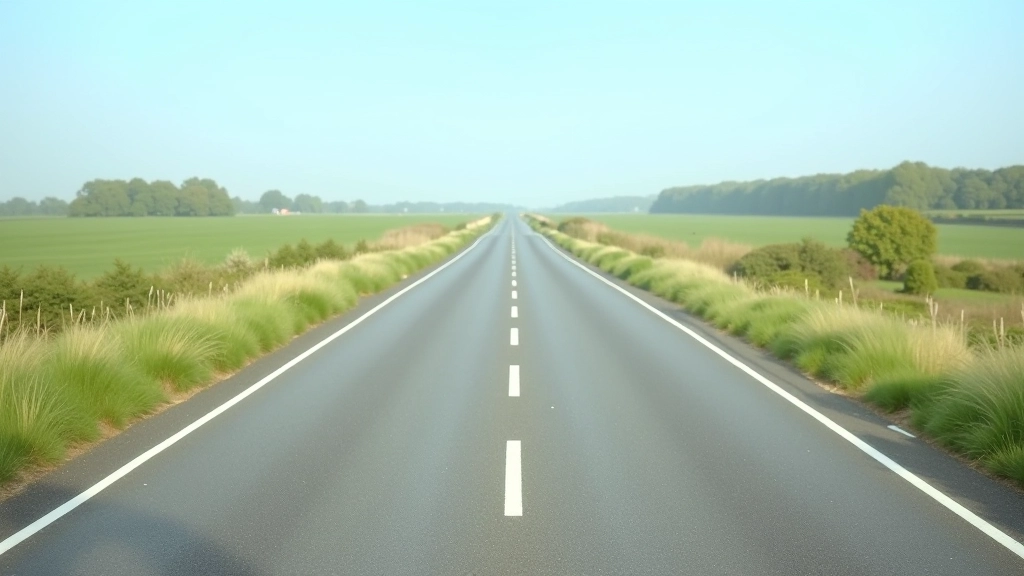
The surface is mostly tarmac with some gravel sections, but nothing that'll shake your bike to pieces. Elevation change? Almost none. You'll gain maybe 30 metres total across the entire route. It's genuinely flat. We're talking perfect for anyone who's not looking to test their cardiovascular limits.
Most of the path has shade from trees, which matters when you're cycling in warmer months. There's a dedicated cycle track separated from traffic for most of the journey. The few sections that do share road space are quiet rural roads with minimal traffic — still, you'll want your lights and high-visibility gear.
Important Note
This guide is informational and intended to help you plan your cycling trip. Conditions on the trail can change due to weather, maintenance, or local events. Always check local council websites and weather forecasts before heading out. If you've had recent health concerns or haven't cycled in a while, consider starting with a shorter section and building up gradually. Every person's fitness level is different — pace yourself accordingly.
Where to Stop and Catch Your Breath
You don't need to be a superhero cyclist to enjoy this route. Smart riders know that breaks aren't failures — they're strategy. The trail has several natural stopping points that make sense.
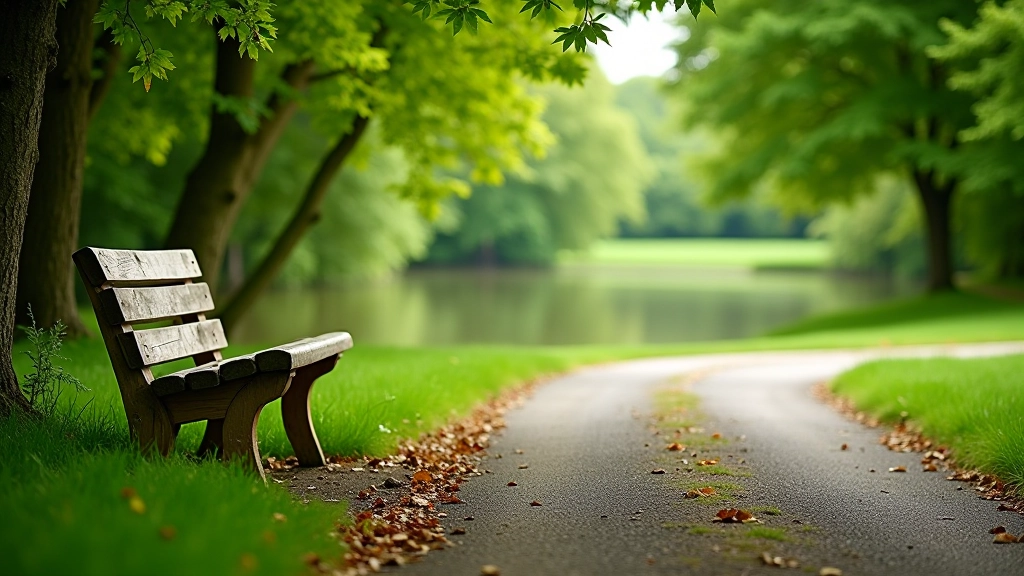
About 3 kilometres in, there's a proper rest area with benches and a shelter. It's right where the views open up across the lough. Most people stop here even if they don't need to, because the view's worth it. Another 2 kilometres further and you'll find a picnic spot near Greencastle Point — this is where the trail gets really scenic.
Carlingford village itself is a good halfway point if you're splitting the journey. You can grab a coffee, use facilities, and let your legs recover. Omeath on the other end has similar amenities. We've found that breaking the 10 kilometres into manageable chunks — say 3-4 kilometres per section — works better than trying to blast through it all at once.
What to Bring and What to Know
This isn't a wilderness expedition. You're cycling on a maintained trail with villages at both ends. Still, being prepared makes the difference between a pleasant ride and a frustrating one.
Bike Essentials
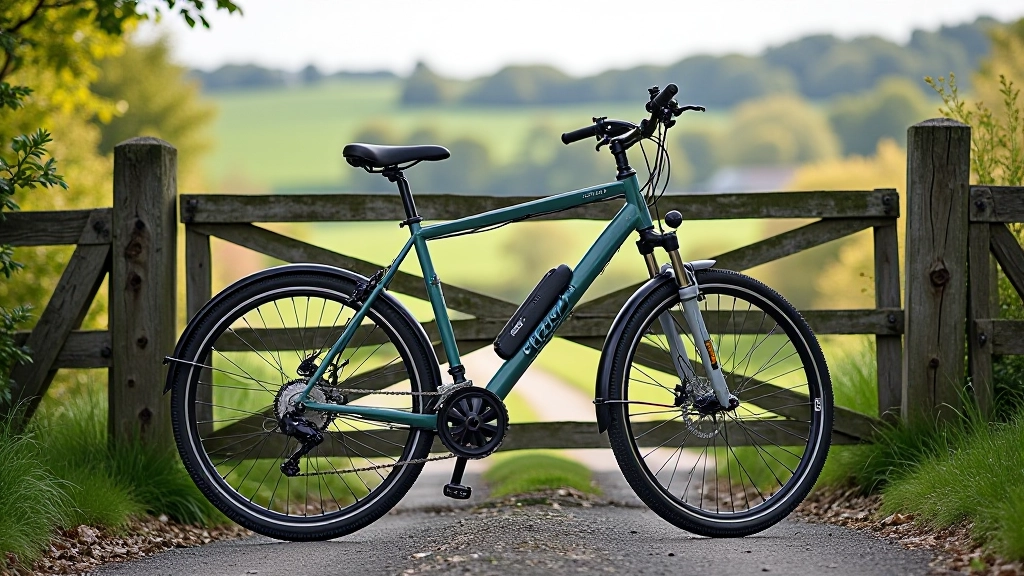
Your bike should be in decent working order. Tyres properly inflated, brakes responsive, chain lubricated. You don't need a fancy bike — a hybrid or a sturdy leisure bike works perfectly. Make sure your seat height is right; you should have a slight bend in your knee at the bottom of the pedal stroke. Bring a basic repair kit with a spare tube, pump, and tyre levers just in case.
Water and Sustenance
Bring at least 1.5 litres of water, more in warmer months. A light snack helps — energy bars, fruit, or sandwiches. You're not going to bonk on a 10-kilometre ride, but having something to eat at a rest stop makes the experience better. Coffee or tea is available in both villages if you want to treat yourself.
Safety Gear
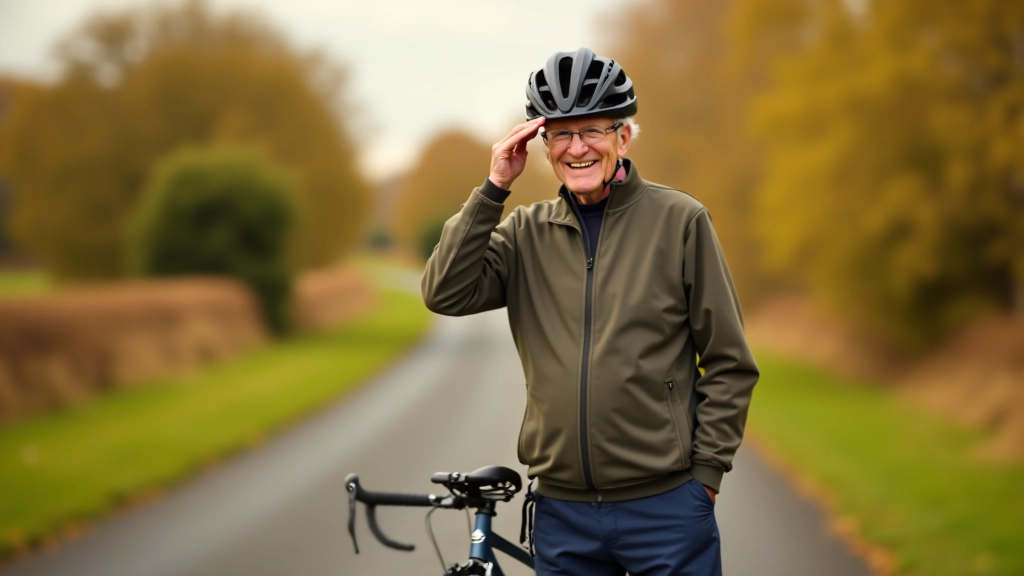
Helmet — always. High-visibility vest or jacket, especially in poor light. Lights front and rear if you're cycling early morning or evening. Sunscreen if it's sunny. Most importantly, wear clothes you can move in comfortably. Padded cycling shorts or trousers make a real difference on longer rides.
Phone and Navigation
You don't need fancy GPS. The trail is well-marked and straightforward — it's basically one path the whole way. Still, bring your phone for emergencies and maybe a simple map. Coverage is generally fine along the route, but don't rely solely on your phone battery.
Best Times to Ride
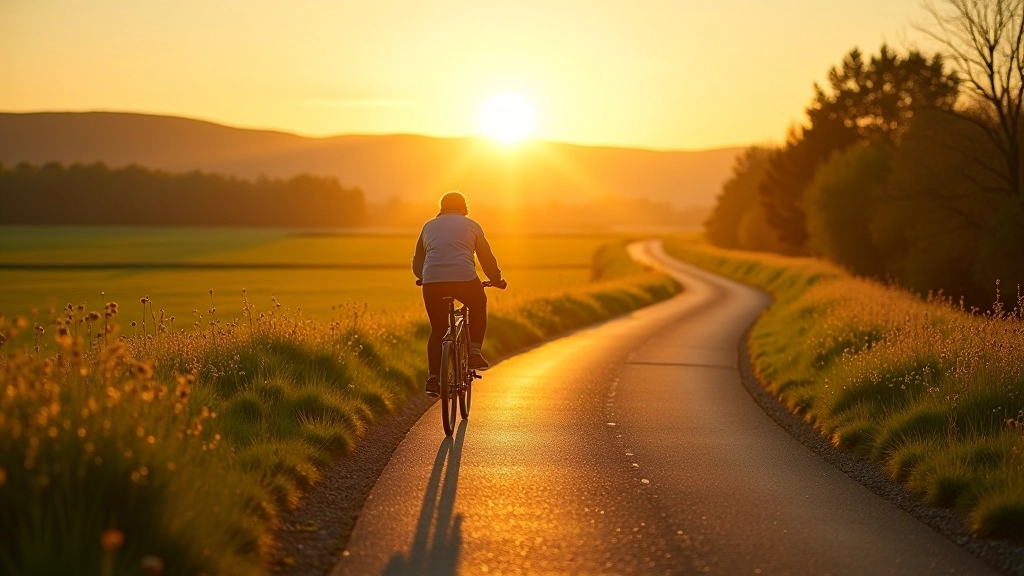
Spring and autumn are genuinely the best seasons. May through September works well if you're early morning or late afternoon kind of person — you'll avoid the midday heat and have better light for photography if you're into that.
Summer can get busy with families and tourists. If you prefer quieter rides, weekday mornings are your best bet. Winter's doable but bring proper weather gear. The path gets wet and sometimes icy. You don't want to be cycling on a slippery surface.
Start early if you can. Most senior cyclists we've talked to prefer morning rides — you've got energy, the weather's usually calmer, and you're done by lunchtime. Plus, the light's better for seeing what's ahead on the path.
Making the Most of Your Day
The Táin Trail isn't complicated. It's a straightforward, scenic cycle route that you can do at your own pace. The 10 kilometres is manageable for most senior cyclists, especially if you break it into sections. The views are genuinely worth it — Carlingford Lough is beautiful, and you're following a path steeped in Irish mythology. That's not nothing.
What we like about this route is that it doesn't demand anything of you. You can make it as leisurely or as brisk as you want. Stop for a coffee, sit at a viewpoint for twenty minutes, take photos of the mountains. Nobody's timing you. That's the whole point of cycling when you're older — you get to choose your own adventure.
Start with proper preparation, bring what you need, check the weather, and give yourself plenty of daylight. You'll come back talking about it.