
See and Be Seen: Visibility Is Everything
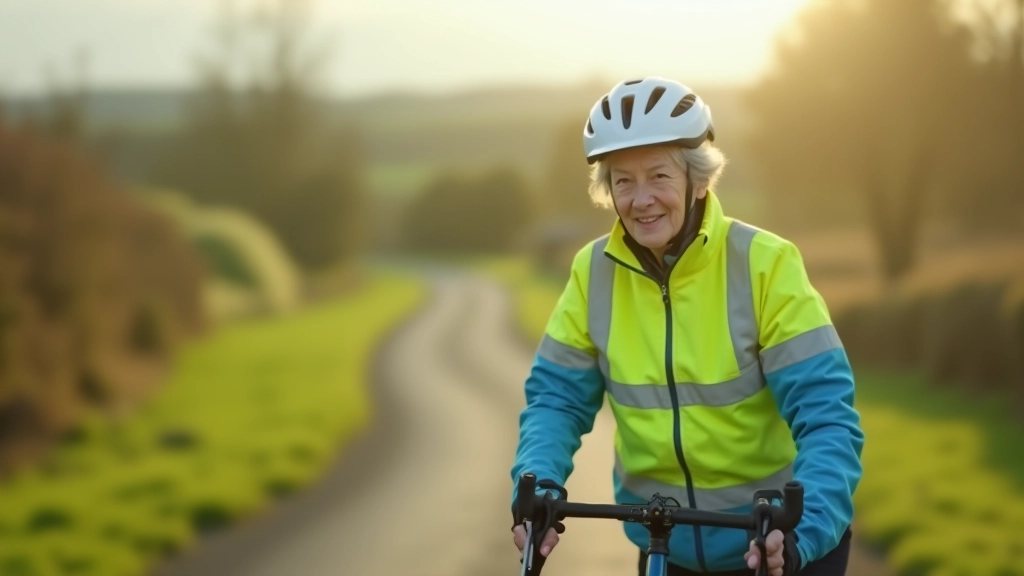
You'll want drivers to spot you from a distance. Bright clothing isn't just about style — it's a core safety principle. Most accidents happen when cyclists aren't visible, especially in morning fog or evening light on the Táin Trail.
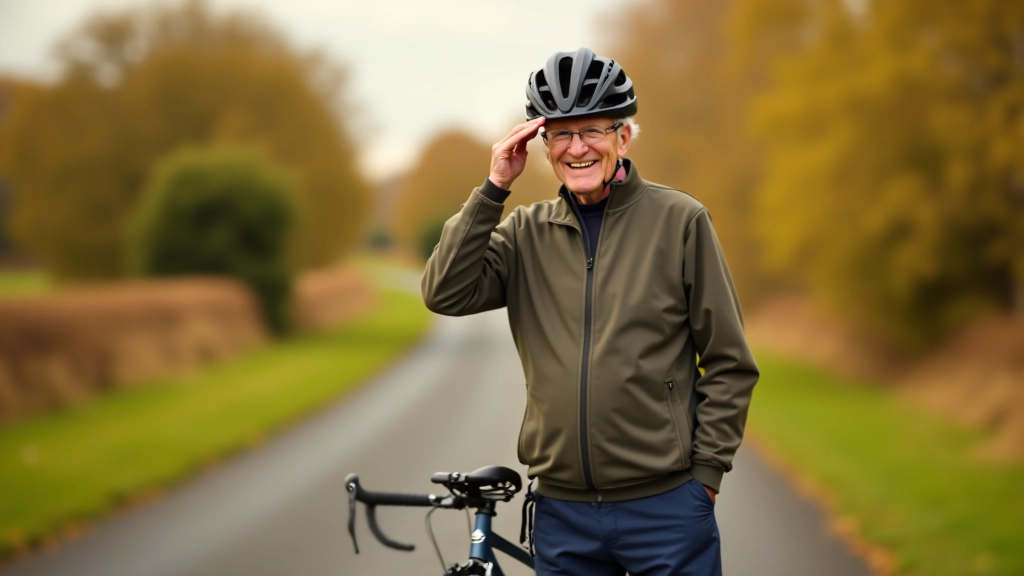
Here's what actually works: wear a bright yellow or orange vest over your jacket. Don't rely on your bike's lights alone. Add reflective tape to your helmet, wrists, and ankles. When your arms move, reflectors catch light and draw attention.
Quick Visibility Checklist
- Bright vest (yellow, orange, or white)
- Reflective tape on helmet and shoes
- Front and rear lights (even daytime)
- Light-colored or contrasting clothing
- Remove sunglasses in low light
Balance and Bike Control Take Practice
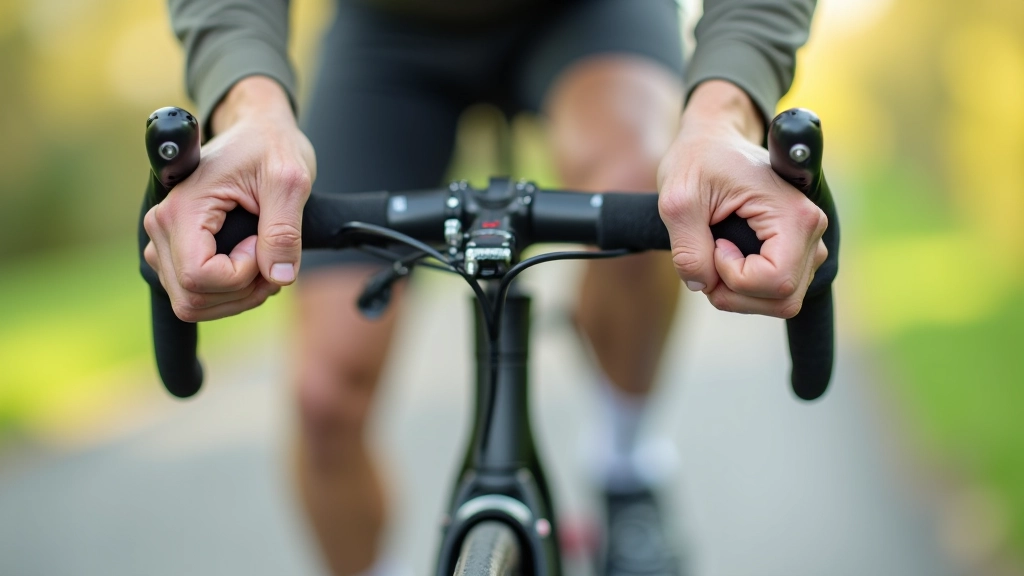
Your core strength matters more than you'd think. It's not about being young or athletic — it's about knowing where your weight sits on the bike. Most falls happen at slow speeds when riders lose balance at traffic lights or on gravel patches.
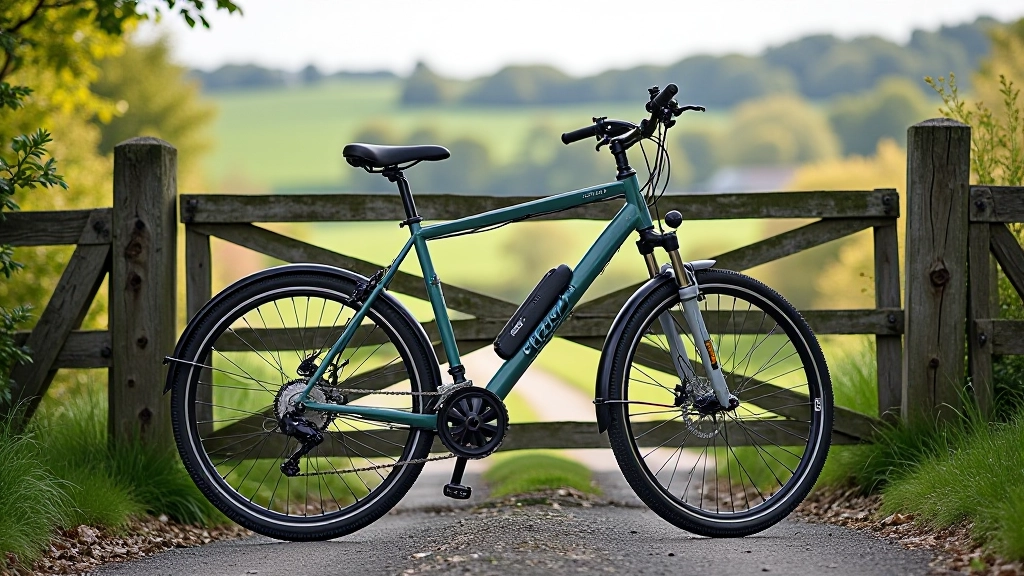
Start with flat, smooth routes like the Táin Trail. Don't jump straight to technical terrain. Your first 5-6 rides should feel completely stable. If you're wobbling, the bike isn't set up correctly for your height.
1
Adjust seat height: When seated, your leg should have a slight bend at the bottom of the pedal stroke.
2
Grip with purpose: Hold handlebars firmly but not tense. Your shoulders should stay relaxed.
3
Slow-speed practice: Spend time at 5-8 km/h in a safe space. It's harder than fast riding.
Safety Information Disclaimer
This article provides general guidance on cycling safety for older riders. It's not a substitute for professional instruction, medical advice, or proper bike maintenance training. Before starting any cycling program, especially if you have balance concerns, joint issues, or haven't cycled in years, consult your GP or a qualified cycling coach. Every person's fitness level and physical abilities are different. What works for one rider may need adjustment for another.
Pacing: The Difference Between Fun and Exhaustion
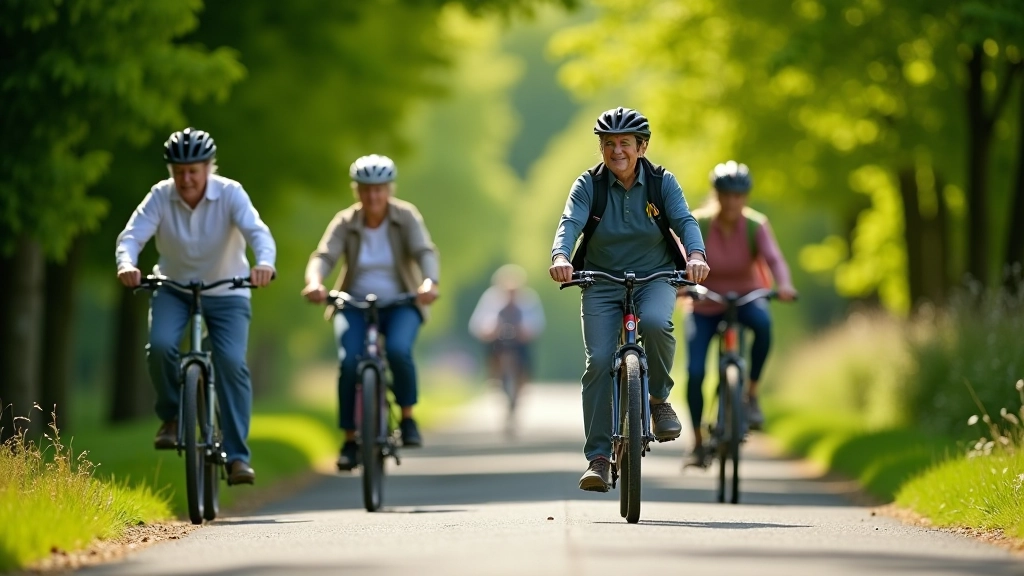
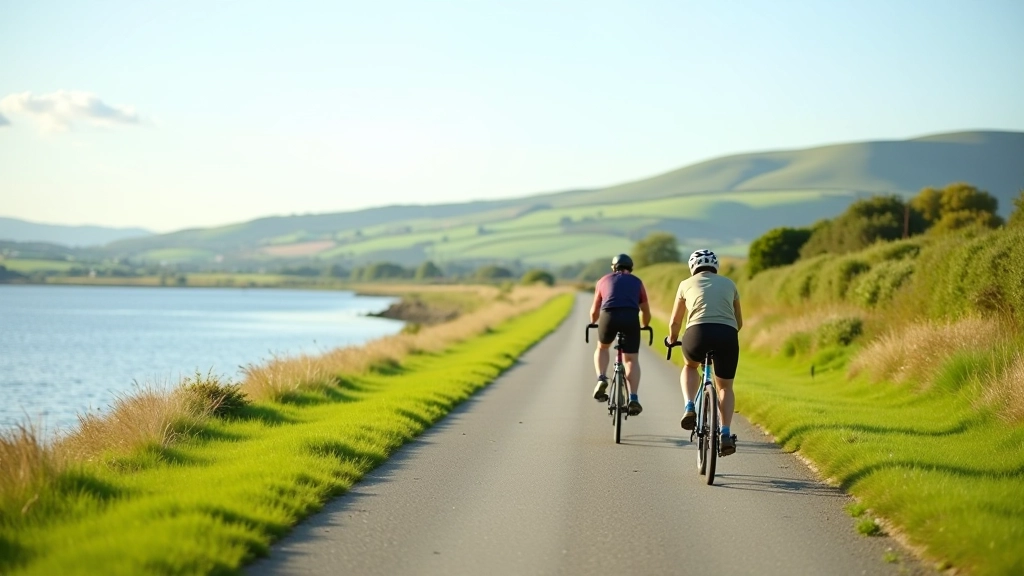
You don't need to go fast. Seriously. The flat 10-kilometre Táin Trail from Carlingford to Omeath is perfect because there's no pressure to race. Aim for 12-15 km/h on your first outings. That's a comfortable pace where you can talk without gasping for breath.
Fatigue kills safety. When you're tired, balance suffers, reaction time slows, and you're more likely to make mistakes. A 45-minute ride feels better than a 2-hour marathon. Your body recovers faster, and you'll actually want to ride again next week.
12-15
km/h ideal pace
45
minutes recommended duration
10
km Táin Trail length
Braking: Control, Not Panic
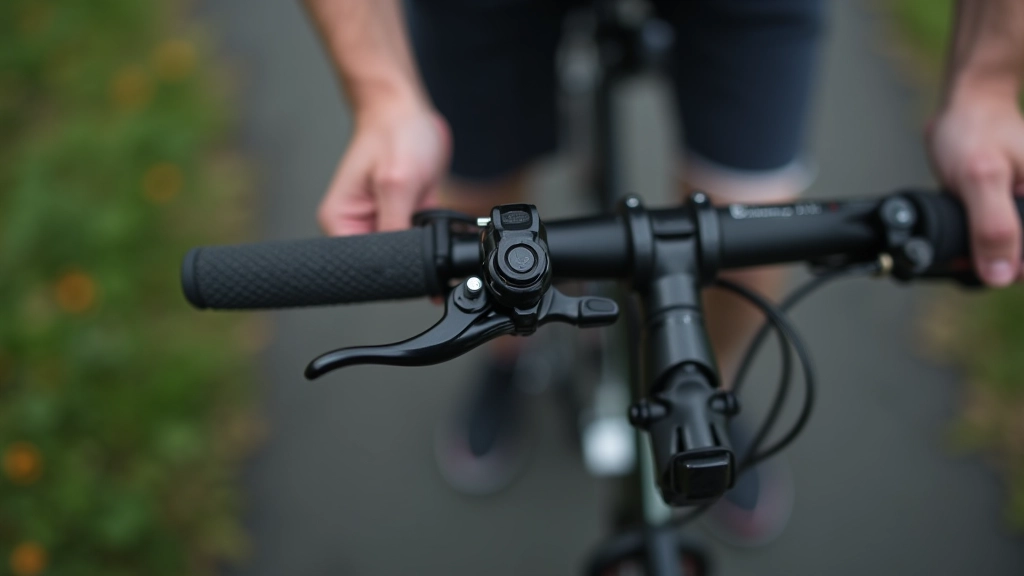
Your brakes are your best friend. But many riders don't use them correctly. The front brake gives you stopping power — the rear brake keeps you stable. Use both together, never just one.
Squeeze gradually. Don't jab the levers. A smooth, progressive brake feels controlled. Your weight naturally shifts forward as you slow down — that's normal. If you're getting jerked around by your brakes, you're squeezing too hard.
Practice braking on quiet paths before you need it in traffic. Most cycling accidents involve riders who panicked and locked up their wheels instead of braking smoothly. Spend 15 minutes just practicing stop-and-start. It builds confidence and muscle memory.
Start Small, Build Confidence
You don't need to be brave to cycle safely. You just need to be prepared. Get the right gear, practice on flat routes, know your limits, and ride consistently. The Táin Trail is waiting for you — it's designed exactly for this kind of riding.
Your first rides won't be perfect. You'll feel a bit wobbly, you'll be careful about stopping, and you'll go slower than you think you should. That's exactly right. Safety isn't about speed — it's about getting out there and enjoying the ride, week after week, for years to come.