Choosing the Right Bike for Comfortable Rides
What makes a bike senior-friendly: seat comfort, frame height, gearing, and other features that matter on flat routes.

The Right Bike Makes All the Difference
It's not about fancy components or the lightest frame. What matters is comfort, stability, and gearing that doesn't make you work too hard. We're talking about bikes that let you focus on enjoying the ride — whether that's a gentle 10-kilometre route or something more ambitious.
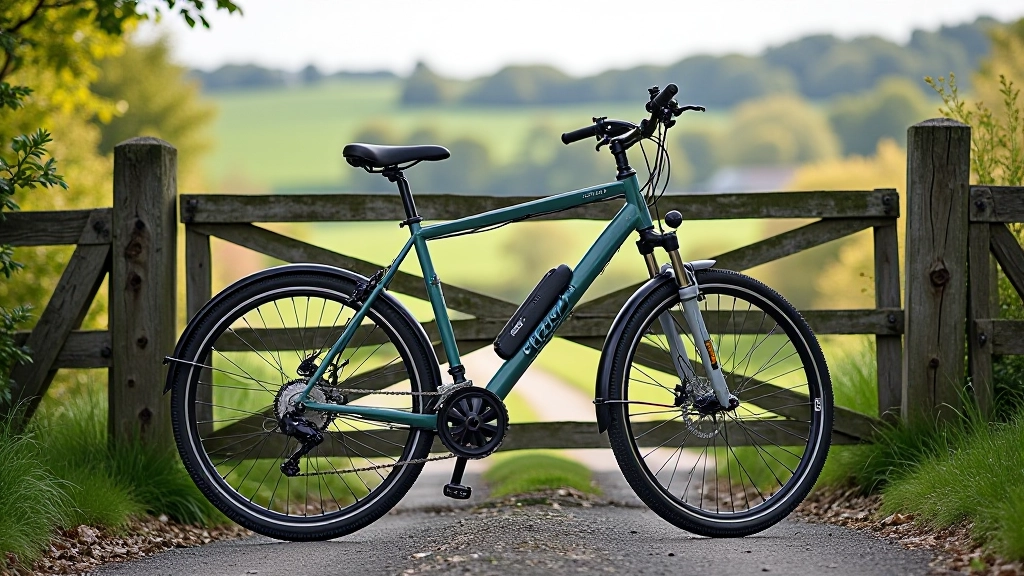
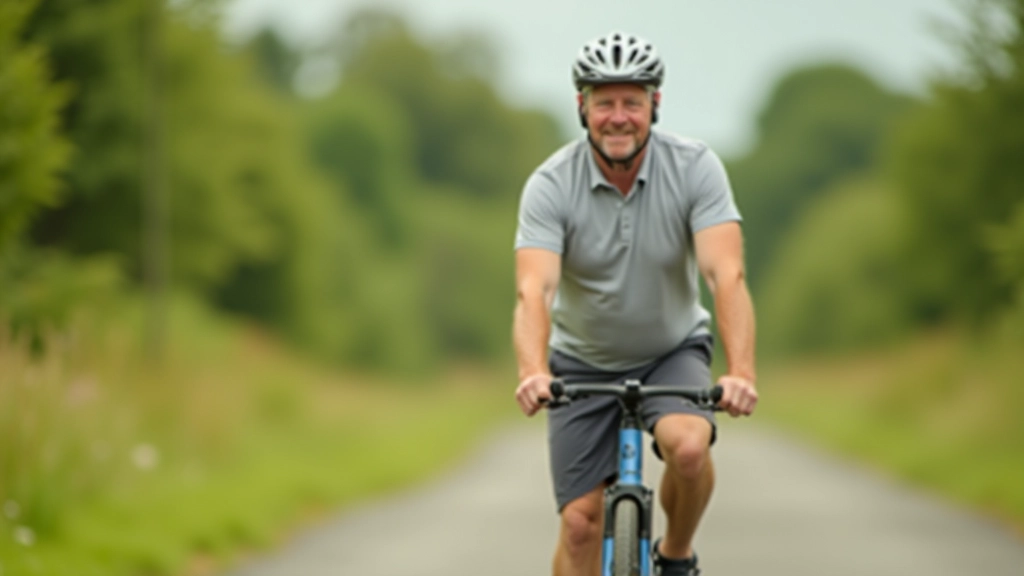
When you're cycling on flat terrain like the Táin Trail, you don't need a racing bike or a heavy mountain bike. You need something in between. Something that feels natural, responsive without being twitchy, and built for all-day comfort. That's where hybrid bikes, comfort bikes, and some electric options shine.
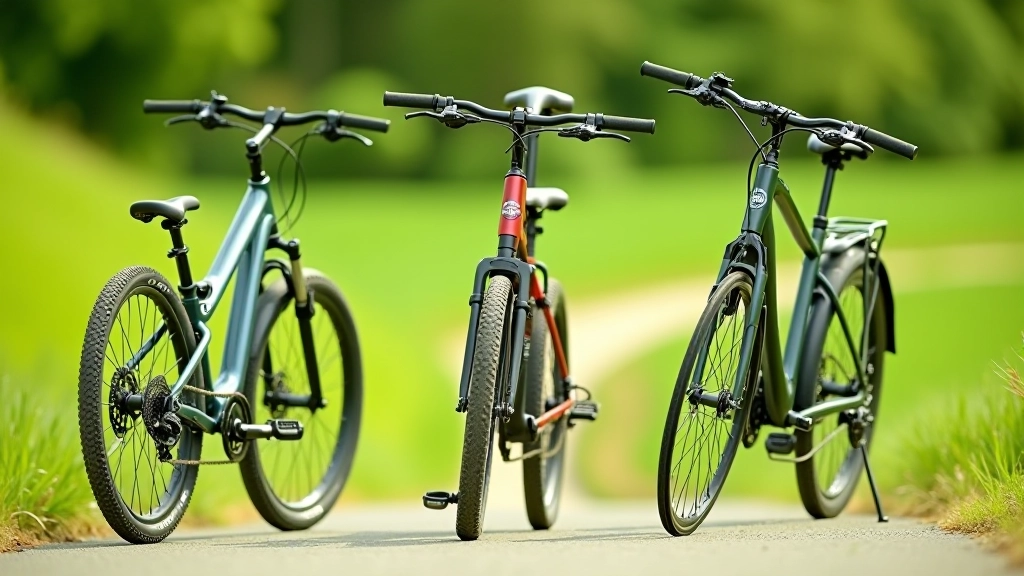
Frame Height and Stepping Through
Here's something that gets overlooked: you need to be able to stand over the frame with both feet flat on the ground. Seriously. When you're getting on and off, balance matters. A frame that's too tall means awkward mounting and dismounting, which increases injury risk.
Step-through frames — sometimes called "low-step" or "women's frames" — are brilliant for this. They have that lowered top tube, which means you're not swinging your leg over anything high. You're basically just stepping into the frame. Plus, getting off is way easier. No acrobatics required.
Frame sizing rule: Stand over the frame with shoes on. There should be 2-3 cm of clearance between you and the top tube. If you're standing on tiptoes, the frame's too big.
The Seat Is Non-Negotiable
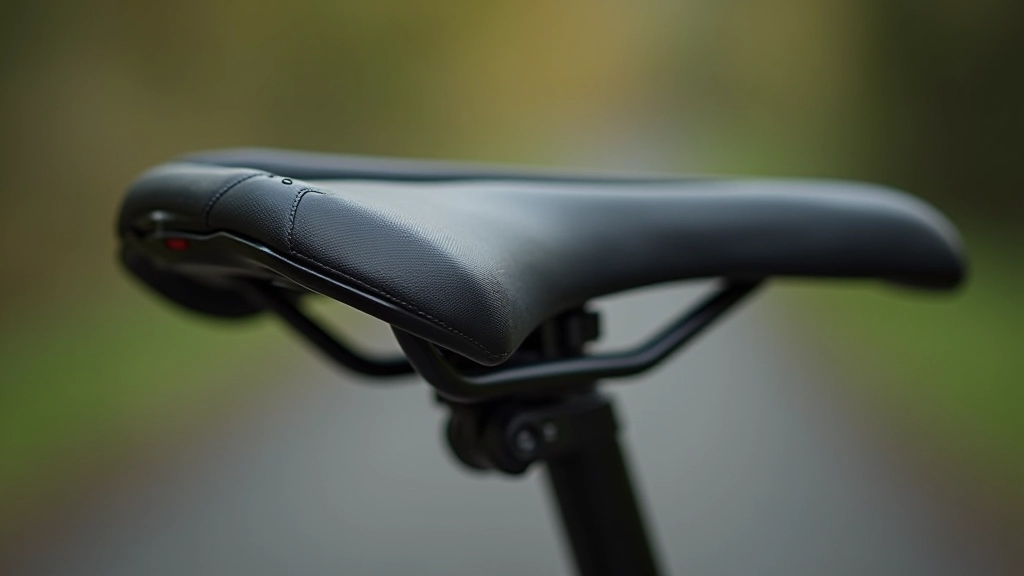
You'll spend most of your ride sitting down. A hard, narrow racing seat? That's going to cause real discomfort after 20 minutes. You need something with actual padding and width. Look for seats specifically labeled "comfort" or "gel" — they're designed with wider profiles and shock absorption.
The best part? Most seats are replaceable. Even if your bike comes with a mediocre one, you can swap it out for under €40-50. Many shops will install it for you. Don't just accept an uncomfortable seat as part of the deal.
- Wide, padded seats reduce pressure on sensitive areas
- Gel inserts absorb bumps on uneven paths
- Spring-suspended seats add extra cushioning
Note: This article is informational. Every person's comfort needs are different — what works brilliantly for one rider might not suit another. When choosing a bike, test-ride multiple models if you can. Your local cycling shop staff can offer personalized advice based on your specific situation, mobility, and fitness level.
Gearing: Keep It Simple and Manageable
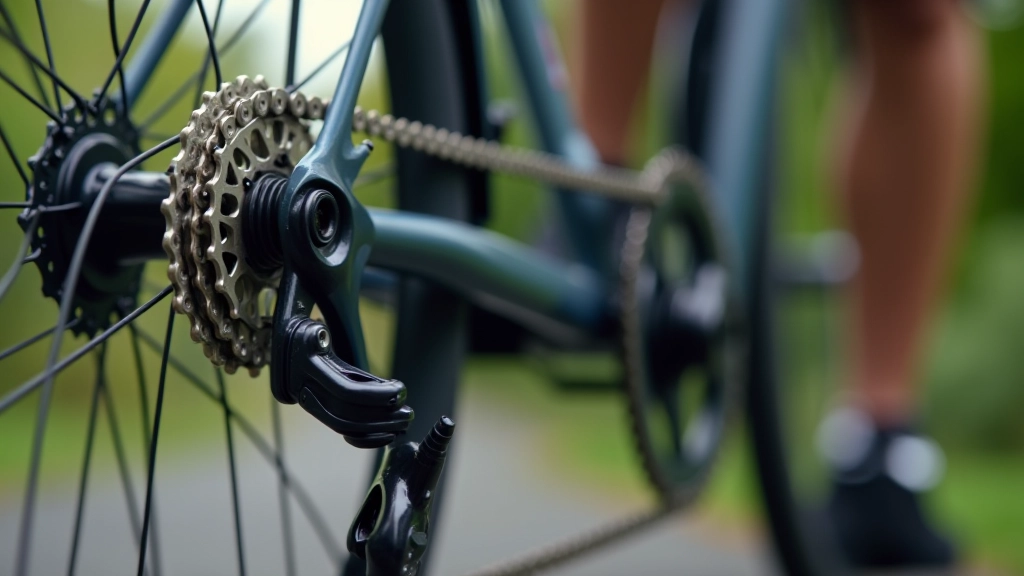
On flat routes, you don't need a massive range of gears. What you need is gears that don't require superhuman effort to shift. Flicking between gears should feel smooth and responsive. Struggling with gear changes is frustrating and tiring.
A bike with 7-10 gears is plenty for flat terrain. The important thing is having a low enough gear for gentle starts and a comfortable cruising gear for longer stretches. Don't get caught up in the idea that "more gears is better." It's not. Simplicity and reliability matter more.
Gear Types to Consider
Derailleur systems: Lightweight, responsive. Need occasional adjustments.
Hub gears: Internal, low-maintenance, work in any weather. Slightly heavier but incredibly reliable.
Suspension and Handlebars
Front suspension — a shock-absorbing fork — makes a noticeable difference on rough surfaces. But here's the thing: on smooth, flat routes like the Táin Trail, you don't really need it. You're paying extra for something you won't use much. Save the money.
Handlebars, though? That's important. You want them positioned so your wrists stay relatively straight when gripping. Drop bars force you into an aggressive lean that hurts your back and neck. Look for upright or slightly curved handlebars. They'll keep your posture more natural and reduce strain on your shoulders and lower back.
Flat or slightly raised bars mean you're sitting more upright, which distributes your weight better and gives you better visibility on the road. That's the setup that works for comfortable, long-distance riding.
Weight and Materials
A lighter bike is easier to maneuver, mount, and carry. But don't obsess over shaving off a kilogram. Most comfortable bikes sit in the 13-15 kg range, which is perfectly manageable. The difference between a 13 kg and a 15 kg bike is negligible when you're riding on flat terrain.
Aluminum frames are durable, affordable, and don't rust. Steel frames are heavier but incredibly sturdy and smooth-riding. Carbon fiber is lightweight but expensive and overkill for casual cycling. For senior riders doing recreational routes, aluminum or steel makes sense.
Aluminum
Lightweight, rust-proof, affordable. Good choice.
Steel
Heavier, smooth ride, durable. Requires occasional maintenance.
Finding Your Perfect Bike
The best bike for comfortable rides isn't the most expensive one or the one with the most features. It's the one that fits your body, matches your terrain, and feels natural when you ride it. You shouldn't be fighting your bike — it should be helping you.
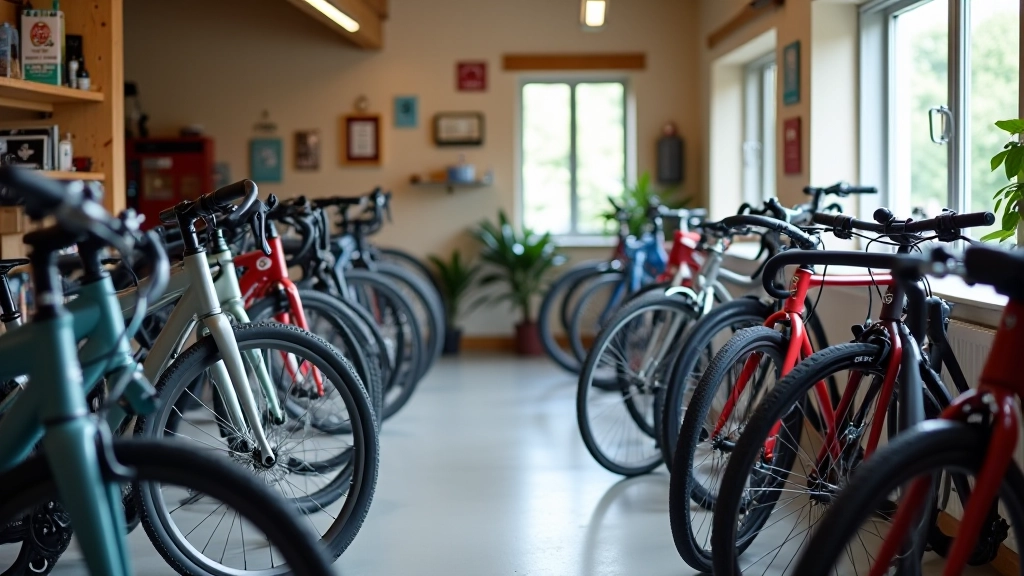
Visit local shops and test-ride a few different models. Hybrid bikes, comfort bikes, and some electric options are worth trying. Don't buy online unless you're replacing an existing bike you already know works for you. Spending an hour trying different bikes now saves weeks of discomfort later.
Once you've got the right bike, flat routes like the Táin Trail become genuinely enjoyable. You're not fighting discomfort or struggling with controls — you're just riding and appreciating the scenery.
Explore More Cycling Guides